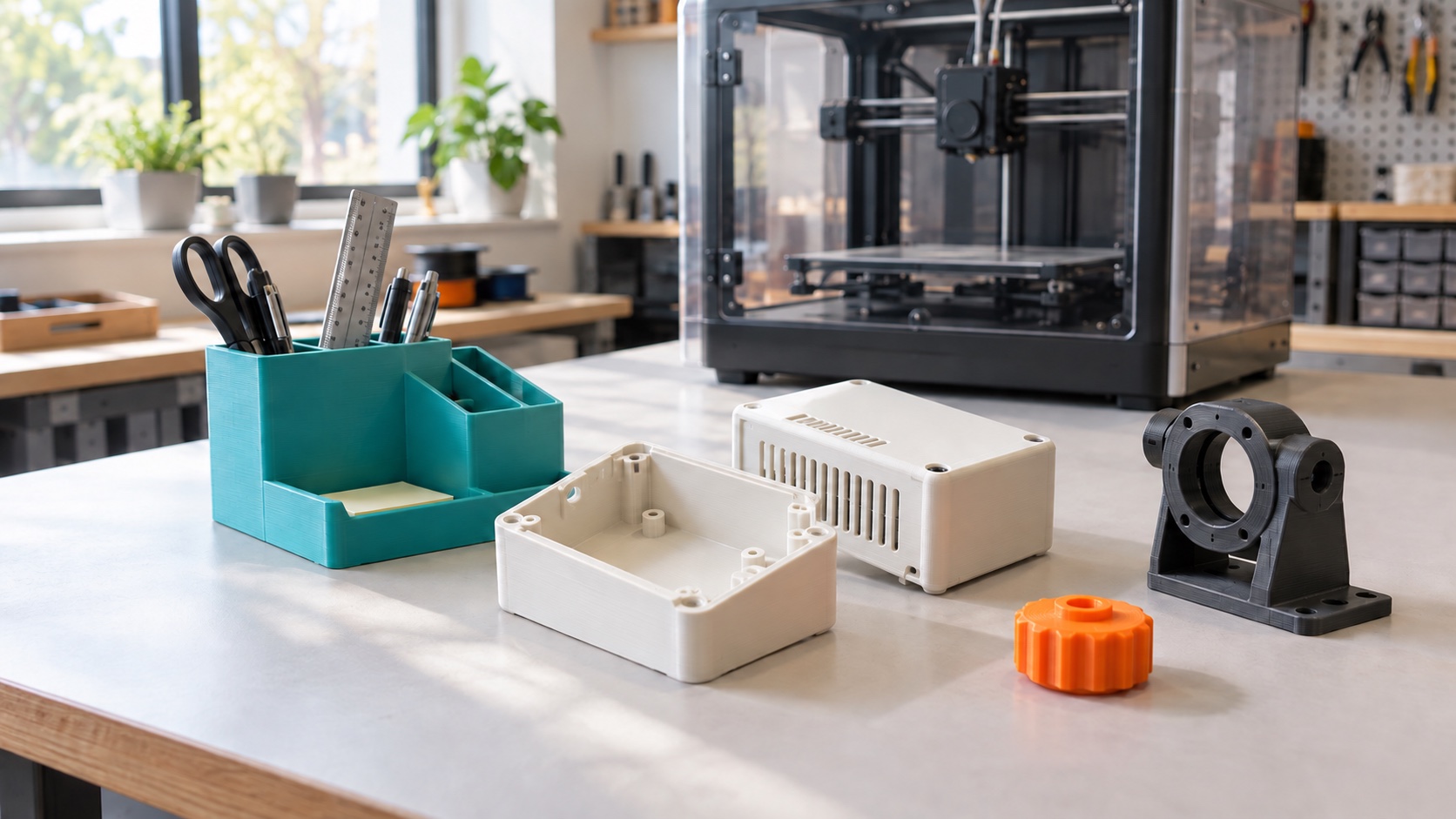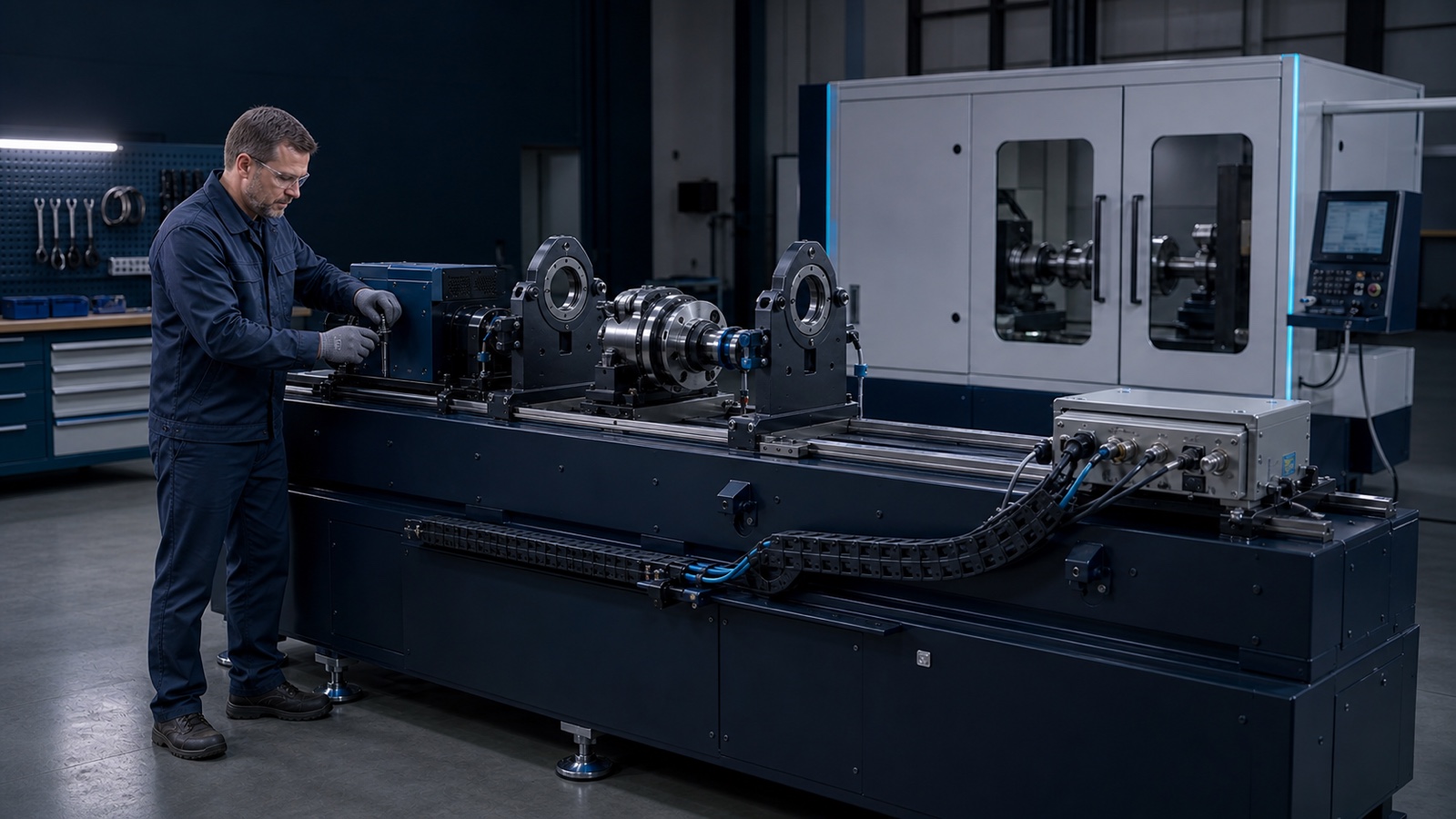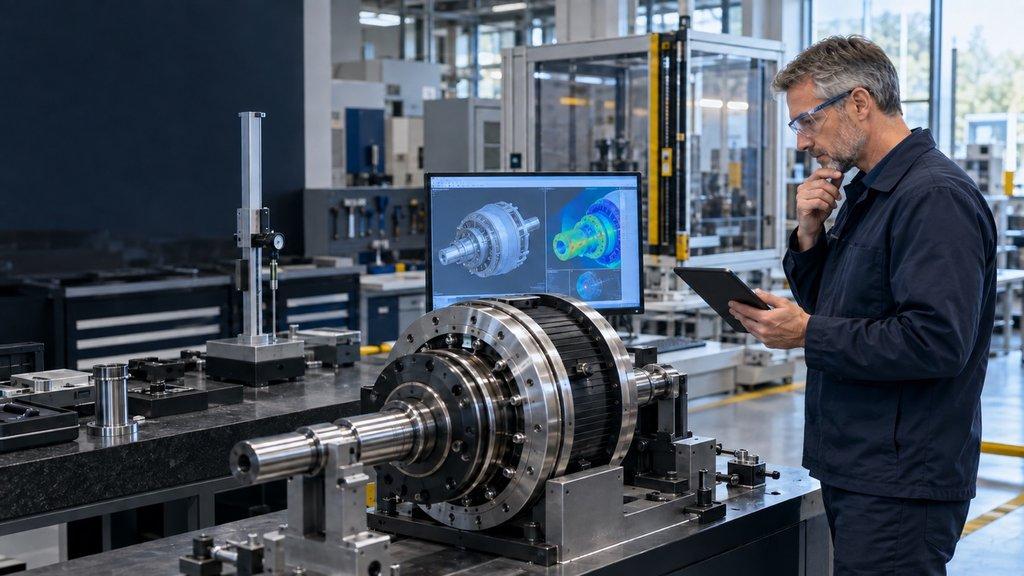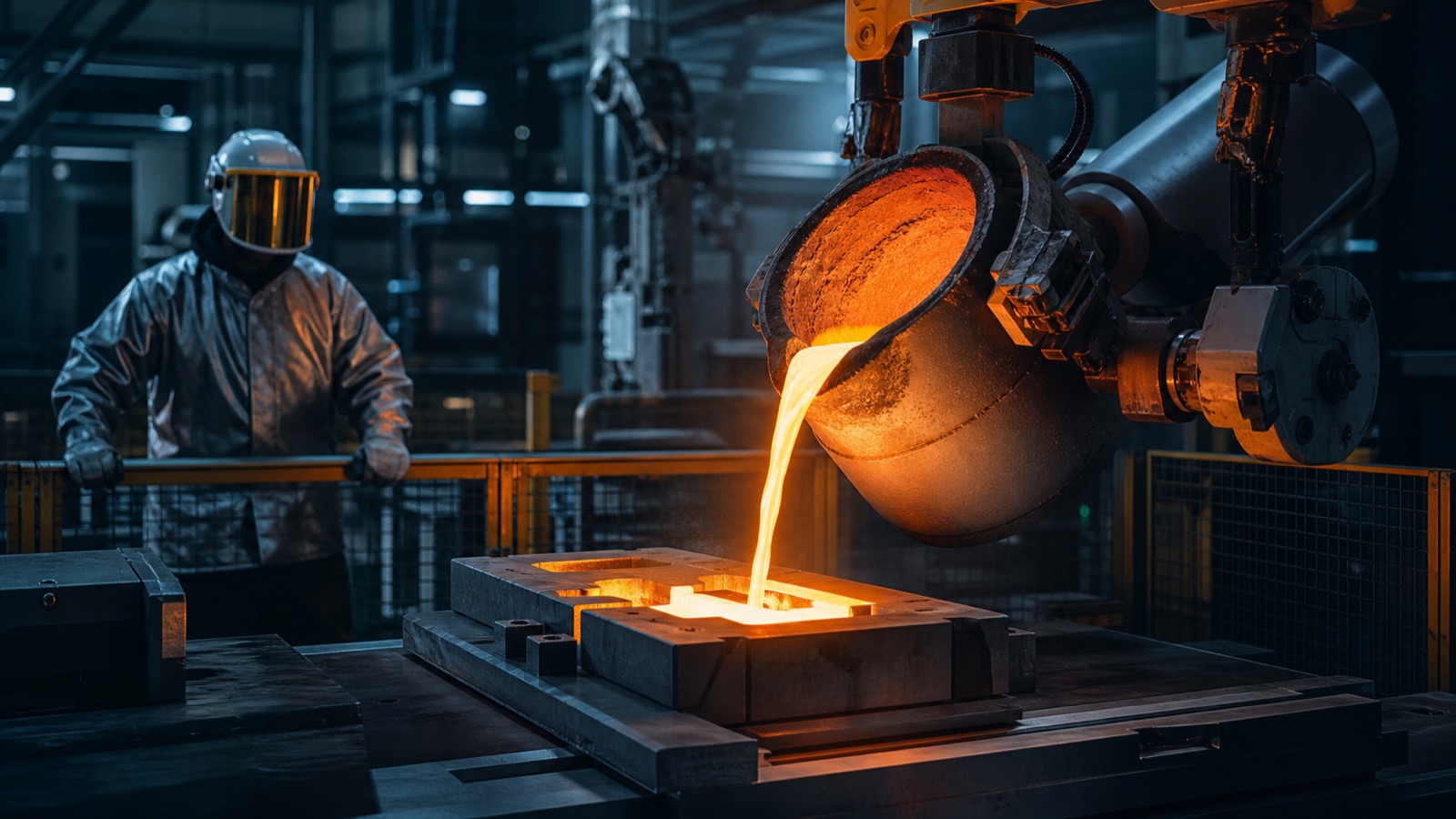
Casting is a family of production routes rather than a single process. A responsible selection balances geometry, material behaviour, tooling, quantity, finishing and the evidence required to accept the part.
Geometry changes the process window
Wall transitions, internal passages, undercuts, draft, feeding paths and machining stock influence both tooling strategy and defect risk. Early review is usually less expensive than correcting a locked design.
Volume changes the economic answer
A bridge quantity may favour flexible tooling, while repeat production can justify a more capital-intensive mold. The lowest unit price is not meaningful unless tooling life, secondary operations and inspection are included.
Different materials need different questions
- Ferrous and special-alloy castings may require heat treatment and deeper defect controls.
- Aluminum routes must account for wall behaviour, porosity risk and machining interfaces.
- Engineering polymers require attention to shrinkage, flow, surface and lifecycle conditions.
Confirm the complete route
The casting method is only one stage. Tooling, finishing, machining, dimensional control, material records and repeatability should be planned as one connected production route.