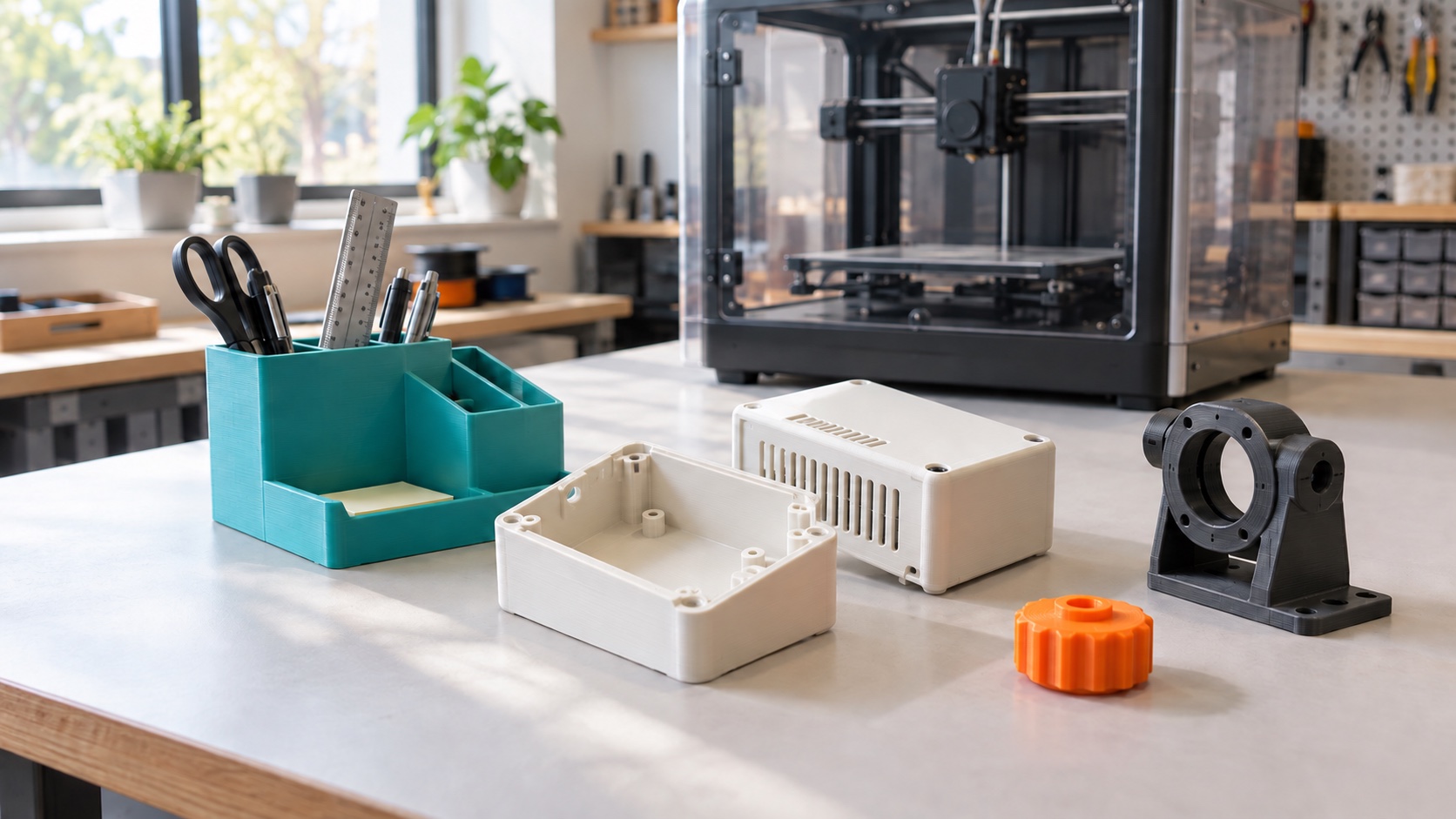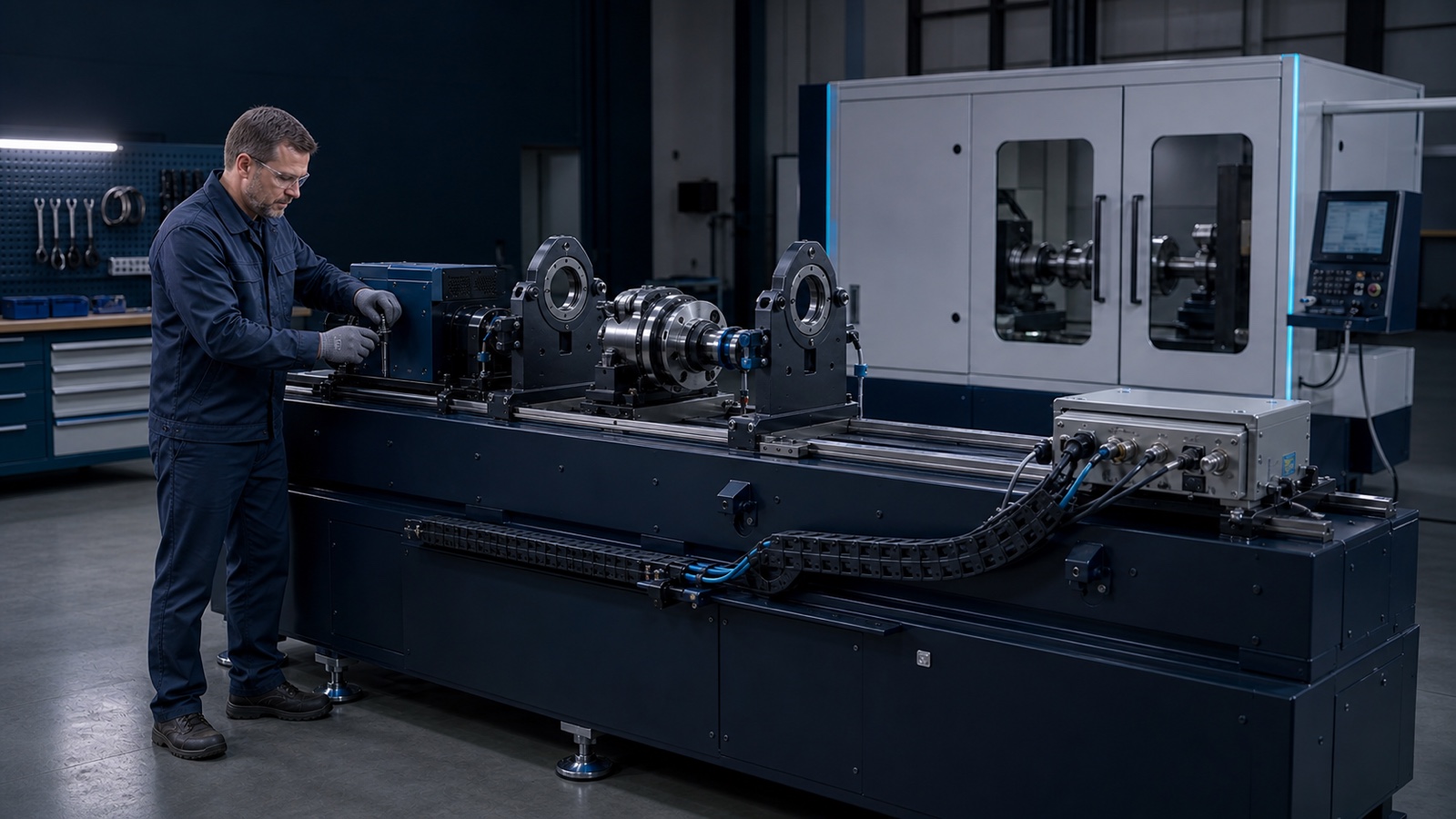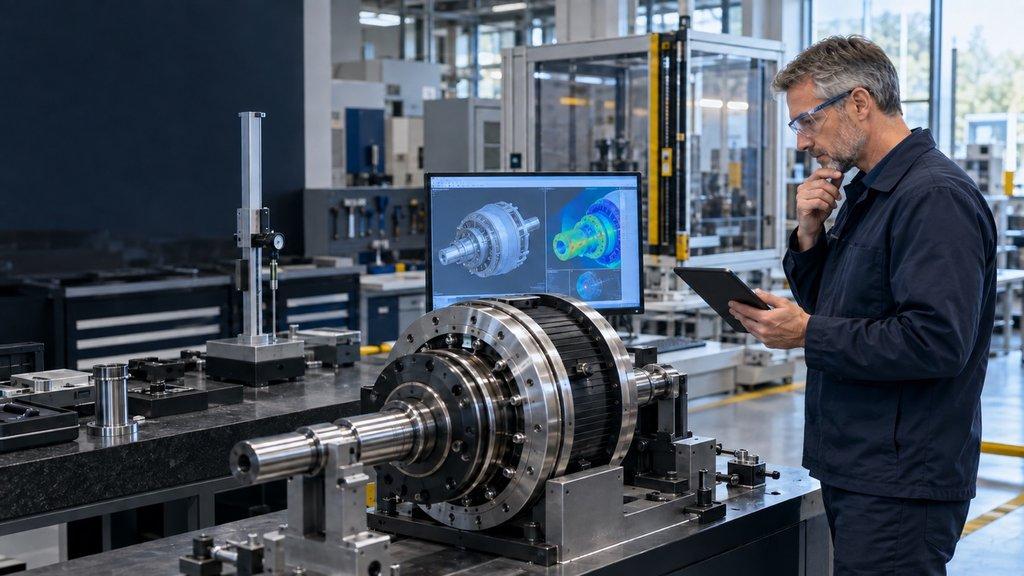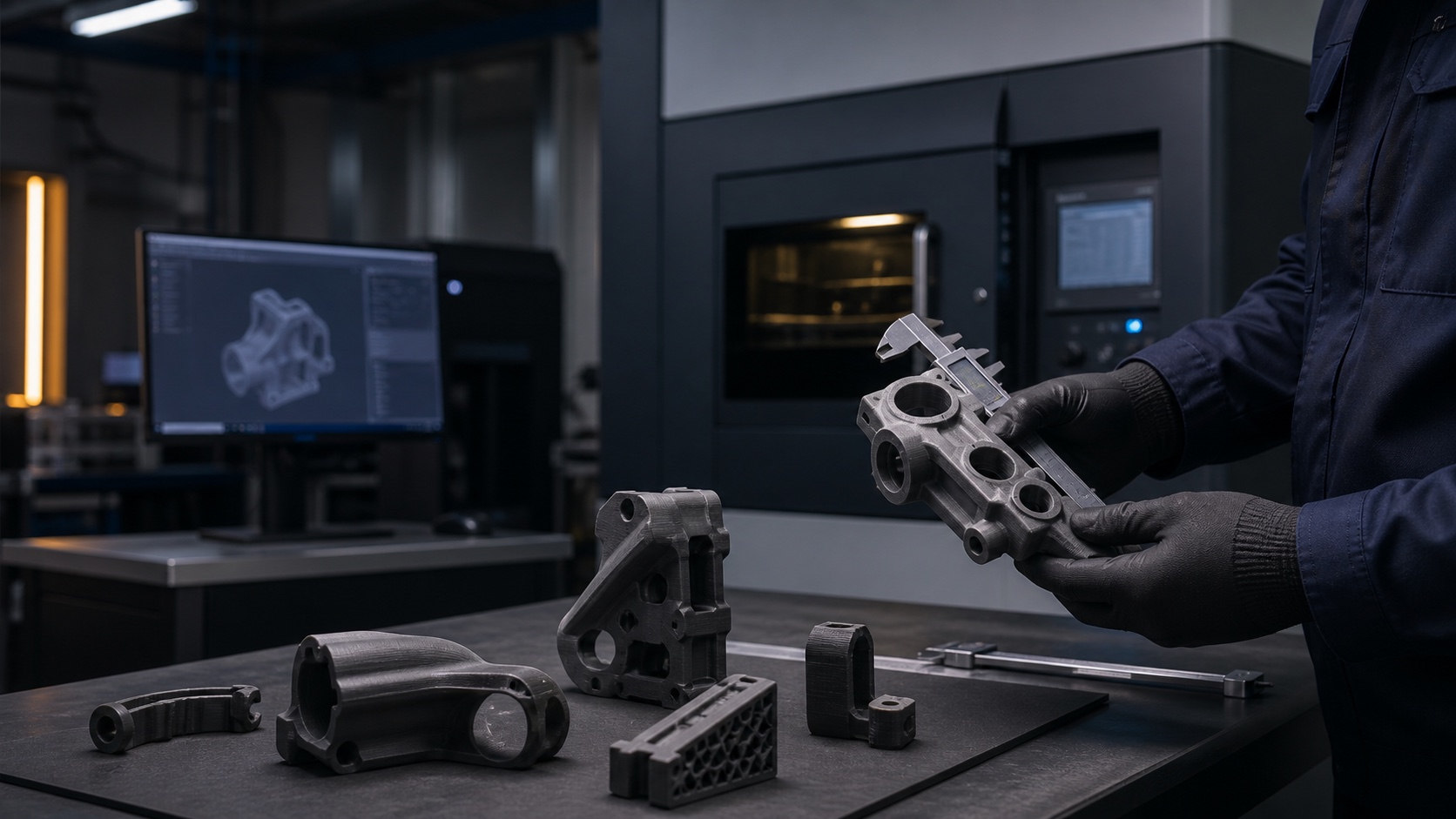
Plastic 3D printing can move a component from a digital model to a physical prototype, fixture or short production run without committing to conventional tooling at the first step. JAZARION now provides a connected route for ordering plastic 3D-printed parts: upload the CAD data, describe the function, select a process direction and material requirements, then send the project for engineering review and quotation.
The goal is not to replace engineering judgment with a simplified price widget. The goal is to make the request clear enough that geometry, material, finish, quantity, inspection and destination can be evaluated together before price and schedule are confirmed.
What can be ordered through the plastic 3D printing route?
The route is intended for real engineering work, from early design validation to functional components and repeatable low-volume supply. Typical requests may include:
- visual and ergonomic prototypes for design reviews;
- functional prototypes for fit, assembly and controlled testing;
- jigs, fixtures, gauges, covers and workshop aids;
- custom housings, ducts, brackets and complex internal geometries;
- bridge production and low-volume polymer parts;
- replacement or legacy parts where the technical definition can be responsibly reconstructed.
Suitability depends on the part, load case, environment and acceptance criteria. A printed component should not be released into a safety-critical or regulated application without the required material evidence, validation and competent approval.
Start with CAD — or develop the engineering definition first
If you already have a model, open the JAZARION plastic 3D printing order page and attach the 3D file together with any drawing that controls tolerances, surfaces or inspection. Supported project inputs include common mesh, solid-model and drawing formats shown in the request form.
If the production model is not ready, use JAZARION AI Studio to develop the concept and organize the engineering inputs. If the project begins with a standard or existing component, search the JAZARION CAD Library and add the relevant reference to the project. These tools support the definition stage; final manufacturability and production release still require engineering review.
Choose the process by function, not by acronym
The order flow supports four widely used process directions. You may select one or ask the engineering team to recommend the route:
- FDM: often practical for larger prototypes, fixtures and functional parts where visible layer structure and anisotropic behaviour can be accepted or designed around.
- SLA: useful when fine detail, a smooth surface and accurate visual definition are important; resin behaviour and post-curing conditions must match the application.
- SLS: well suited to complex nylon parts and nested builds without conventional support structures; surface texture and dimensional strategy should be agreed in advance.
- MJF: a production-oriented powder-bed route for detailed polymer parts and repeatable batches, subject to material, color, finish and project availability.
The right answer may also be a different manufacturing process. Wall thickness, feature size, tolerances, heat, UV exposure, chemicals, fire behaviour, load direction and expected service life all influence whether additive manufacturing is appropriate.
Define material and finish as engineering requirements
A material name alone is rarely a complete specification. State what the part must resist and which surfaces matter. The request can capture material direction, color, finish, production context and any notes that need to travel with the CAD data.
- Describe temperature, moisture, UV, chemical and wear exposure.
- Identify threaded, sealing, sliding and cosmetic surfaces.
- Mark dimensions and datums that require inspection.
- State whether sanding, polishing, dyeing, painting, sealing or inserts are expected.
- Separate prototype appearance from final functional acceptance.
What information improves a 3D printing quote?
A structured request reduces clarification cycles and helps the manufacturing route match the real use case. Prepare the following information where available:
- 3D model and a drawing for controlled dimensions or tolerances;
- part function, assembly context and load direction;
- preferred process or permission to recommend one;
- material behaviour, color and finish requirements;
- quantity, repeat demand and target timing;
- inspection, documentation and packaging expectations;
- delivery country and any destination-specific constraints.
From request to delivered parts in one connected flow
After submission, the project follows a controlled sequence: CAD intake, specification confirmation, manufacturability review, quotation, approved production release, quality control and delivery coordination. Open questions and exceptions can remain attached to the same project context instead of being separated across files and informal messages.
Submitting a request does not confirm price, lead time or production release. Those are confirmed after the files, requirements, manufacturing route, supplier availability and destination have been reviewed. This boundary is important: transparent ordering begins with a clear engineering record, not with an unsupported promise.
Order plastic 3D printing from any region
JAZARION is designed for global engineering and manufacturing cooperation. You can prepare a request from your region, specify the delivery destination and keep the technical and commercial scope connected to the project. Available production routes, logistics, documentation and delivery conditions are confirmed for the selected supplier and destination before the order is released.
Ready to begin? Configure your plastic 3D printing request, attach the CAD data and send it for an engineering quotation.