A fast manufacturing response begins long before a machine is selected. It begins with a requirement that gives engineering teams enough context to understand the function, risks and acceptable trade-offs.
Begin with function, not only geometry
A CAD model describes shape, but it does not always explain what the part must do. State the load case, working environment, mating interfaces, service life and any surfaces that directly affect performance.
Make critical requirements visible
- Identify the material or describe the required material behaviour.
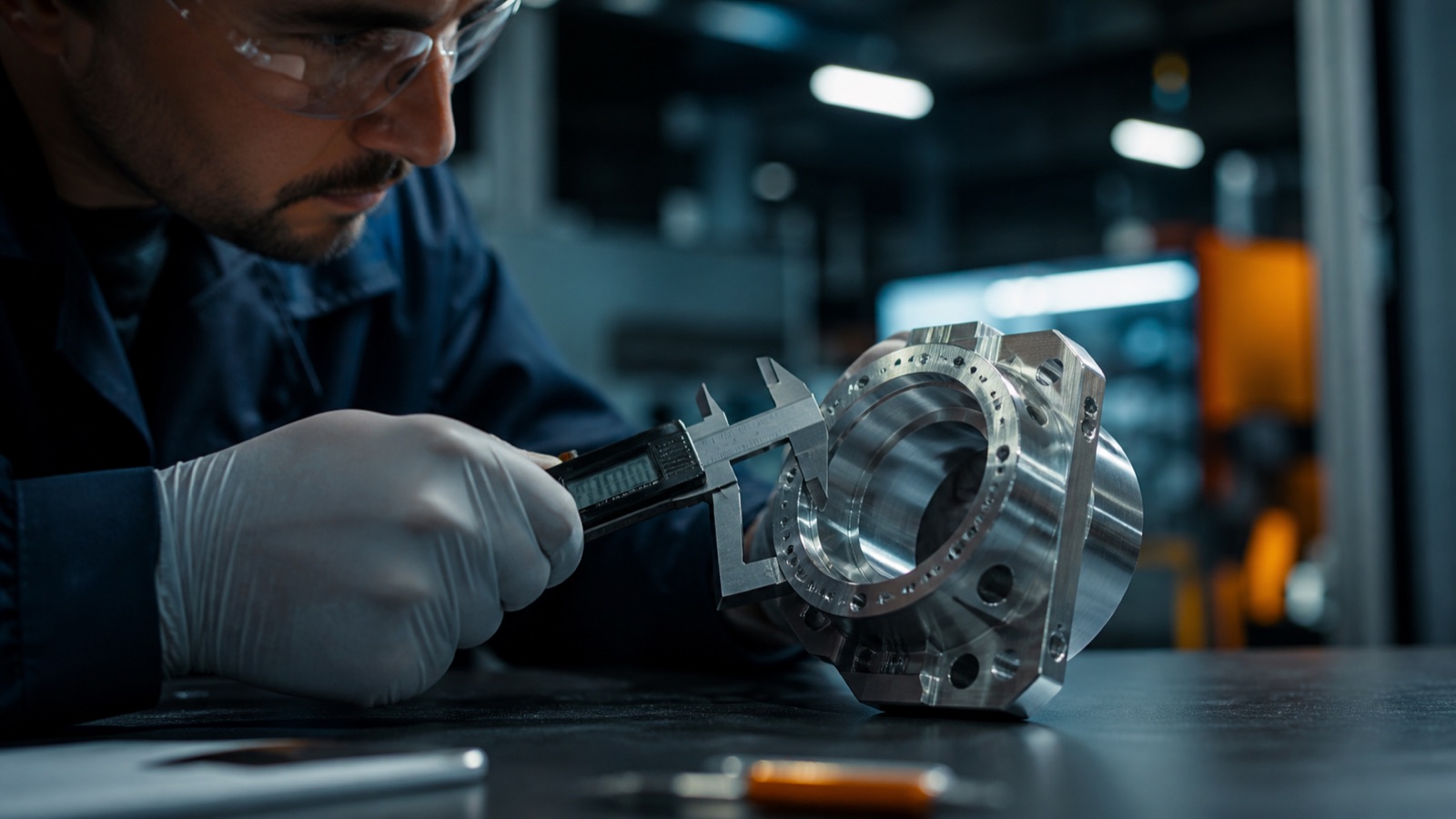
- Separate functional tolerances from general dimensions.
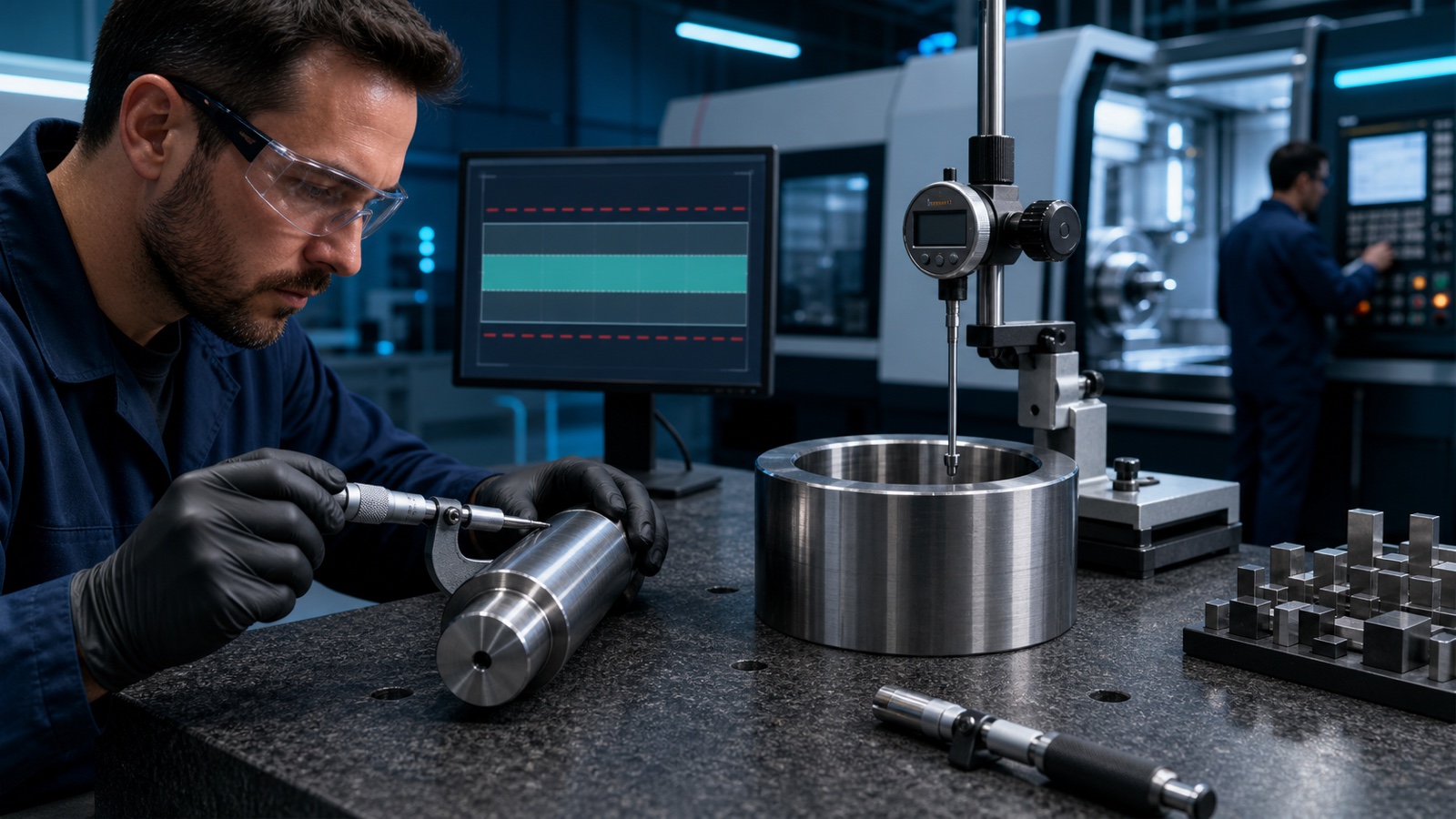
- Mark cosmetic surfaces, sealing areas and inspection datums.
- Provide prototype quantity, expected production volume and target timing.
Keep assumptions explicit
When information is still open, label it as an engineering question. A controlled list of assumptions is more useful than false precision and makes alternative production routes easier to compare.
Build a reusable project record
The strongest request connects models, drawings, revisions, decisions and inspection expectations. That record supports the first quote, the first article review and every repeat order that follows.